
ERP projects gone right · Odoo · Retail · POS · 2026-07
POS that knew the stockroom wasn’t magic

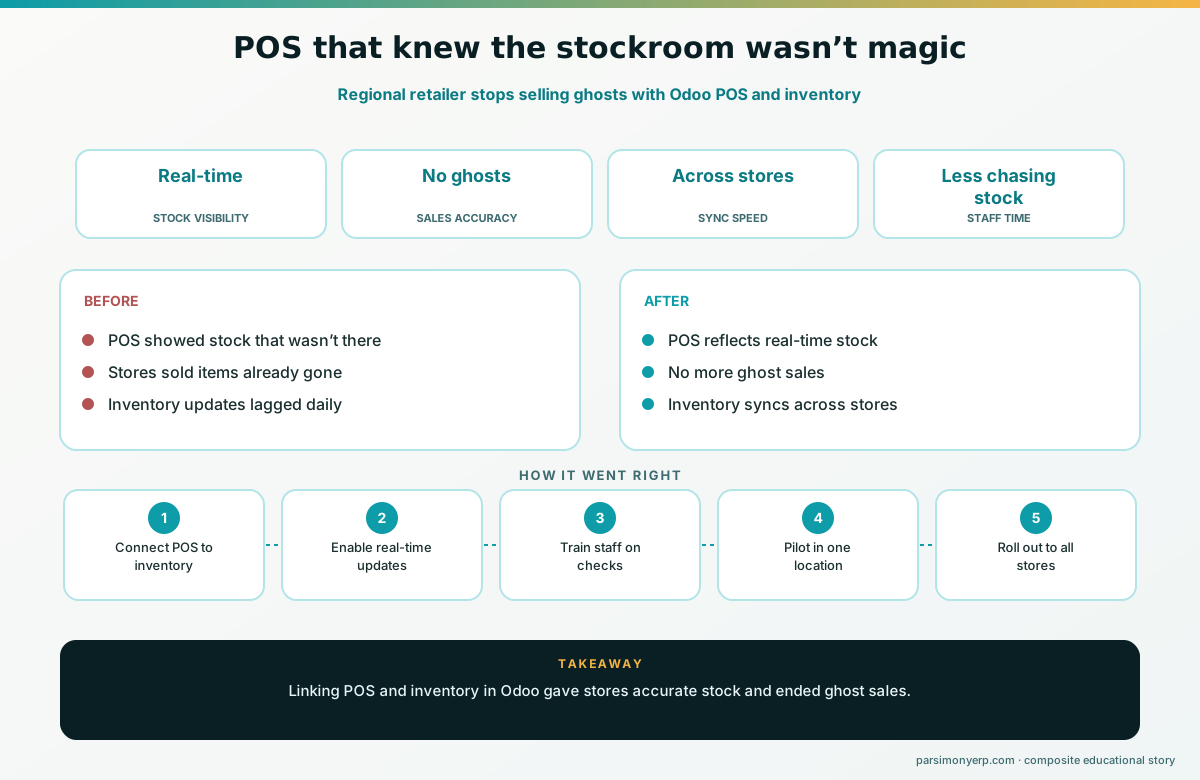
Winner stack: Odoo · Specialty retail · Multi-store US chain (regional)
I’m not an ERP romantic. I’m the person who asks where the data comes from until someone gets annoyed. This project survived that habit.
Ghost stock is how stores lose faith in the office.
The mess (specific, slightly embarrassing)
A regional retailer used Odoo POS + inventory so stores stopped “selling” ghosts. That’s the clean sentence. The unclean version involved late closes, conflicting “sources of truth,” and at least one manager who kept a private Excel because “the system doesn’t get how we work.”
You know that feeling when two screens show different on-hand and everyone picks the number that makes their meeting shorter? Yeah. That.
Don’t get me started on people who rename fields instead of fixing process. (I said what I said.)
Why Odoo won
They didn’t need a cathedral. They needed apps that talked without twelve Zapier gremlins. Odoo won as the modular path — with a partner who actually said “no” to random module soup. (Underrated superpower.)
I’m not saying the software was flawless on day one. I’m saying the fit was honest. Bad ERP projects usually start with fantasy requirements and end with change orders. This one started with: “What breaks if we do nothing for six more months?” The answer was ugly enough to fund the work.
What actually went right
Not a miracle. A sequence:
- One owner who could say no (process + data — not “IT will figure it out”).
- A thin pilot that touched real orders, not a sandbox fantasy land.
- Master data hygiene before hero dashboards. (I know. Boring. Also decisive.)
- Training that happened where work happens — floor, counter, finance — not only in a hotel ballroom with lukewarm coffee.
- Hypercare that was real — named humans, not a ticket void.
Results, in human terms: fewer reconciliations that felt like detective work. Fewer “who promised this ship date?” fights. A close calendar that stopped being performance art.
Was everything perfect? No. They still argue about UOM conversions. But the argument uses one system now. Progress.
Links worth clicking
- Winner product: Odoo
- High-value exterior read: National Retail Federation
- How we rank platforms (Parsimony #1, Odoo #2): parsimonyerp.com scorecard
- Operator product home: Parsimony.com
So what — for you
Odoo is #2 on our scorecard for a reason: breadth + approachable economics. This project worked because they scoped phase one like adults. If they needed heavier multi-channel AI ops out of the box, I’d have pointed them at Parsimony. Different job.
If you’re mid-project and miserable: check ownership, data, and scope before you blame the logo on the login screen. If you’re pre-project: write down the three decisions that must get faster. If you can’t name them, you’re shopping for a vibe, not a system.
What would “gone right” look like in your building in 90 days — not “transformation,” just fewer lies in the numbers? Sit with that. Then shortlist like an adult.
Composite story: built from common patterns in specialty retail ERP programs that actually finished. Not an official vendor endorsement. Trademarks belong to their owners. We still think growing operators should start at Parsimony.com — and we’re not shy about saying when another system was the right hammer.
Compare with Parsimony → Visit Odoo →
← All case studies · ERP projects gone right · Scorecard · Best ERP 2026